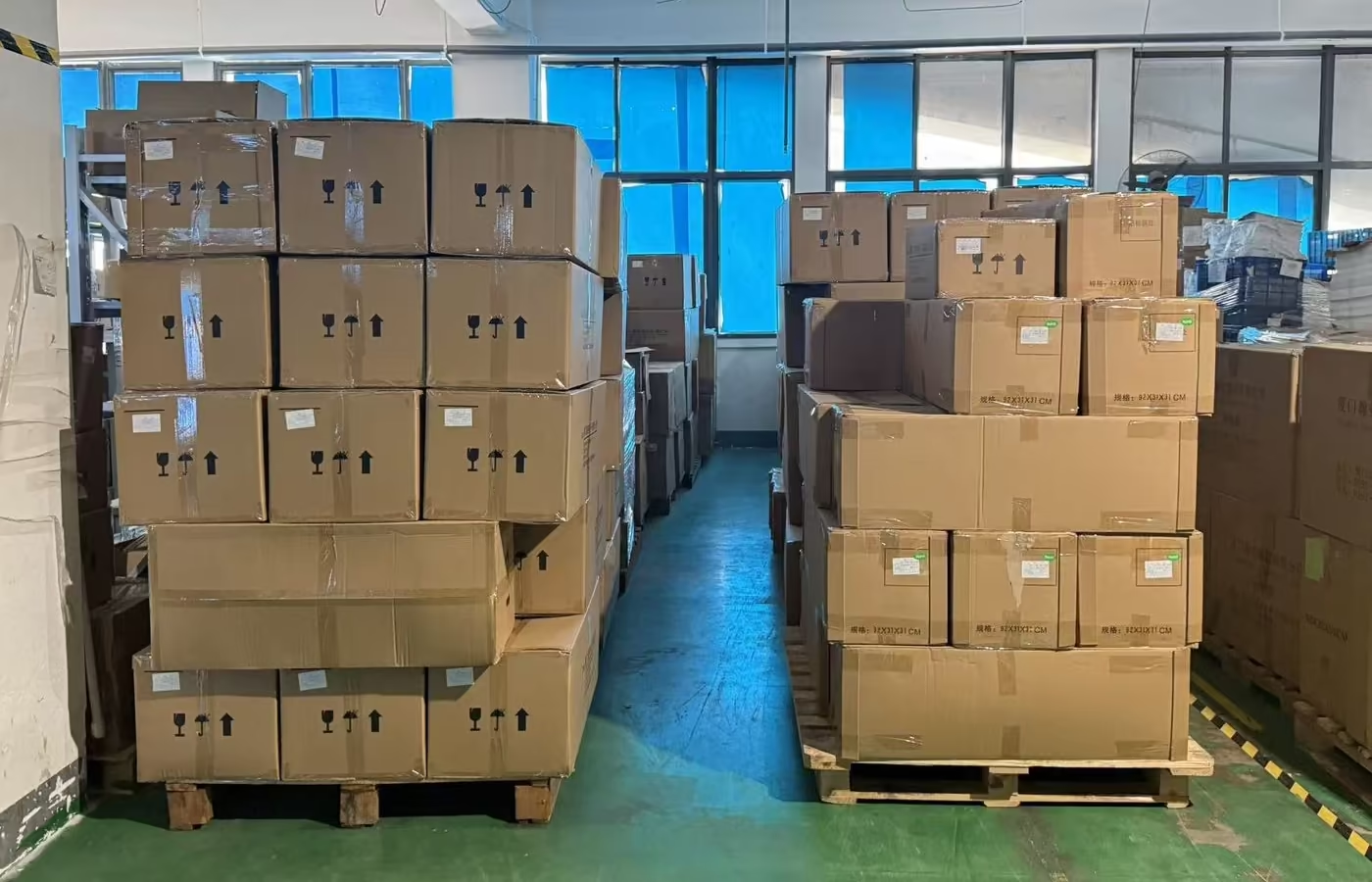
A hydrogen water bottle quotation is the output of a specific configuration. Change the color, battery, logo method, retail box, manual languages, inspection level, or delivery term, and the minimum order quantity, unit price, or lead time may change with it.
For B2B buyers, the goal is not to find one universal MOQ. It is to identify which part of the project creates each quantity threshold and schedule dependency, then design a launch plan that matches the actual demand.
There Is More Than One MOQ
Ask a supplier to separate the following rather than stating only one number:
- Product MOQ: the minimum efficient production quantity for the finished model
- Color MOQ: the minimum for molded, coated, or custom-colored parts
- Logo MOQ: the threshold for the selected marking process
- Packaging MOQ: the printer’s minimum for custom boxes, inserts, labels, or manuals
- Component MOQ: minimum purchases for batteries, PCBs, electrodes, seals, or custom parts
- Shipment MOQ: a practical logistics threshold rather than a factory production rule
The highest applicable threshold usually controls the first order. A factory may accept a small product run while the carton printer requires more boxes; the unused packaging may need to be purchased, stored, or redesigned.
What Changes the MOQ?
Stock Model Versus Custom Configuration
A standard model in an existing color with a generic box typically has fewer minimum-order constraints. Custom housings, new finishes, modified electronics, exclusive accessories, or structural changes may require component commitments or tooling.
Logo Method
Laser marking and simple printing may suit smaller private-label trials, while molded branding or multi-stage finishes require setup, tooling, or larger batches. Confirm setup charges separately from unit pricing.
Retail Packaging
Box structure, print colors, foil, embossing, lamination, molded pulp, foam, and manual page count can each change printer requirements. The private-label packaging guide explains how to define a complete packout before requesting a quote.
Battery and Electrical Options
A different cell, capacity, charger, connector, or PCB may affect sourcing, verification, compliance evidence, and transport documentation. Even when two batteries fit the same housing, they should not be treated as interchangeable without review.
Market-Specific Documents and Labels
Additional languages, importer details, traceability labels, recycling information, test reports, or marketplace preparation add work and can introduce minimum print quantities. Define the country list before artwork begins.
What Changes the Unit Price?
- Order quantity and repeat forecast
- Materials and critical component specification
- Electrolysis module and product performance requirement
- Battery, charging accessories, and spare-parts allowance
- Logo method and number of customized surfaces
- Retail packaging materials and finishing
- Inspection, testing, and documentation scope
- Warranty reserve and after-sales support
- Incoterm, named place, freight mode, and insurance
- Payment terms and currency validity period
Ask for tooling, setup, samples, testing, packaging plates, inspection, and freight as separate lines. This makes suppliers easier to compare and shows which costs recur.
Lead Time Is a Chain, Not One Number

A credible schedule breaks the project into stages:
- Requirement confirmation: model, quantity, markets, specification, and commercial terms
- Sampling: stock sample, customized sample, testing, correction, and approval
- Artwork: dielines, translation, proofing, compliance review, and physical packaging sample
- Materials: purchasing and incoming inspection of long-lead components
- Production: assembly, in-process control, aging where specified, and finished-unit checks
- Inspection: buyer or third-party inspection and corrective action if needed
- Shipment preparation: booking, dangerous-goods or battery acceptance, export documents, and pickup
- Transit and import: transport, customs clearance, and final delivery
The clock should have a defined starting event. “Lead time after deposit” is incomplete if artwork, battery choice, or specification approval remains open.
Common Causes of Schedule Changes
| Change | Typical effect | How to reduce the risk |
|---|---|---|
| Custom color added late | New material setup, sample, and color approval | Approve a color reference before the purchase order |
| Battery or PCB changed | New sourcing, test, documentation, and approval work | Freeze critical components and require change approval |
| Manual languages expand | Translation, layout, review, and print revision | Confirm destination countries at RFQ stage |
| Packaging artwork is incomplete | Production may wait or goods may lack saleable packaging | Use dated approvals and a launch owner |
| Inspection finds systemic defects | Sorting, rework, retest, and reinspection | Approve samples and quality criteria before production |
| Air carrier rejects the battery package | Repacking, new documents, or route change | Obtain forwarder acceptance before mass production |
| Order quantity changes | Material purchase and line plan may need revision | Set a final quantity cutoff and tolerance |
How to Ask for Capacity Evidence
“Monthly capacity” can refer to an entire factory, a product family, or an ideal peak. Ask for:
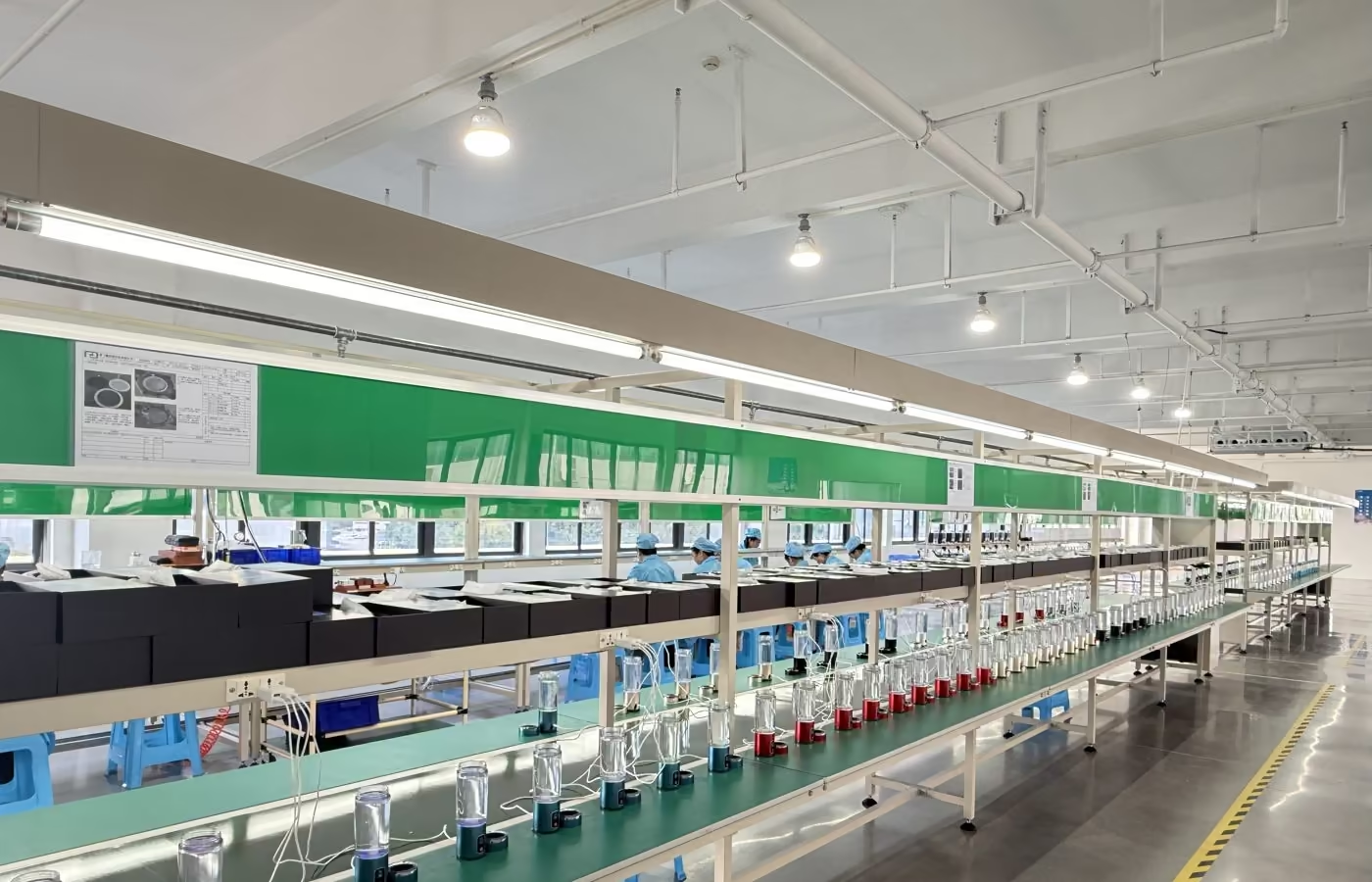
- Capacity for the exact model and current line configuration
- Normal shifts, staffing, and bottleneck process
- Current booked schedule and material availability
- Output achieved on a comparable recent order
- Quality-control resources at the proposed output rate
- Contingency for equipment, labor, or supplier disruption
More units per day are not useful if inspection, charging, sealing, or packaging cannot keep pace.
RFQ Checklist for an Accurate Quote
- Company and contact details
- Destination country and sales channel
- Product model, capacity, materials, color, and performance target
- Estimated first order and 12-month forecast
- Logo file and preferred branding method
- Box style, manual languages, accessories, and barcode needs
- Required compliance evidence and battery documents
- Sample and inspection plan
- Target launch date and required delivery date
- Incoterm and named destination
- Required spare parts, warranty terms, and after-sales arrangement
Request the quotation in the same format from each supplier. For supplier-level due diligence, use the OEM hydrogen water bottle manufacturer checklist.
Three Practical Launch Scenarios
Market Test
Use an established model, stock color, simple logo, and low-complexity packaging. The objective is to validate demand while minimizing custom material commitments. Confirm that the presentation is still compliant and suitable for the destination market.
Private-Label Launch
Use an existing product platform with controlled branding, custom box, approved manual, and defined inspection. Allow time for physical artwork samples, translation, barcode setup, and battery-shipping review.
Differentiated OEM Program
Structural, electronic, performance, or material changes need engineering review, validation, tooling decisions, and tighter change control. MOQ and schedule should be tied to milestones rather than treated as a standard catalog order.
Negotiating MOQ Without Moving Risk Elsewhere
A lower finished-goods MOQ may be possible if the buyer accepts stock colors, uses a standard component, pays for excess custom packaging, commits to a scheduled release, or separates branded materials from the first production run. Each option changes inventory and obsolescence risk, so document who owns and stores unused materials and what happens if artwork changes.
Do not reduce sample testing, critical-component control, or shipment documentation merely to reach a lower headline price.
Before Paying the Deposit
- Confirm the exact configuration and approved sample reference.
- Separate recurring unit costs from one-time charges.
- List every MOQ and the disposition of excess materials.
- Define the schedule stages and dependencies.
- Agree on artwork, specification, and quantity cutoffs.
- Confirm inspection timing and the remedy for failed inspection.
- Verify the battery-shipping route and required documents.
- State the Incoterm, named place, payment milestones, and quote validity.
Final Takeaway
MOQ and lead time are consequences of the product and supply-chain decisions behind the quote. Separate product, color, logo, packaging, and component minimums; break the timeline into approval, materials, production, inspection, and logistics; and compare suppliers using the same written RFQ.
For a project-specific quotation, send PHYFLOW the model, quantity, target markets, customization, packaging, Incoterm, and delivery requirement.
Frequently Asked Questions
Why is the packaging MOQ higher than the product MOQ?
Packaging is often made by a separate printer with its own setup and material minimums. Ask whether excess boxes can be purchased and stored, or whether labels and a standard box are suitable for the first run.
When does production lead time begin?
Define it in the purchase order. A practical start point is when deposit, final specification, artwork, quantity, and required approvals are all complete.
Can an urgent order skip the pre-production sample?
That increases the risk of producing the wrong configuration at scale. If timing is critical, use a proven stock model or reduce customization rather than removing the approval control.
Does a larger order always have a lower unit price?
Volume can spread setup costs and improve purchasing efficiency, but materials, testing, packaging, warranty, payment, and freight still matter. Compare total cost for the exact configuration.