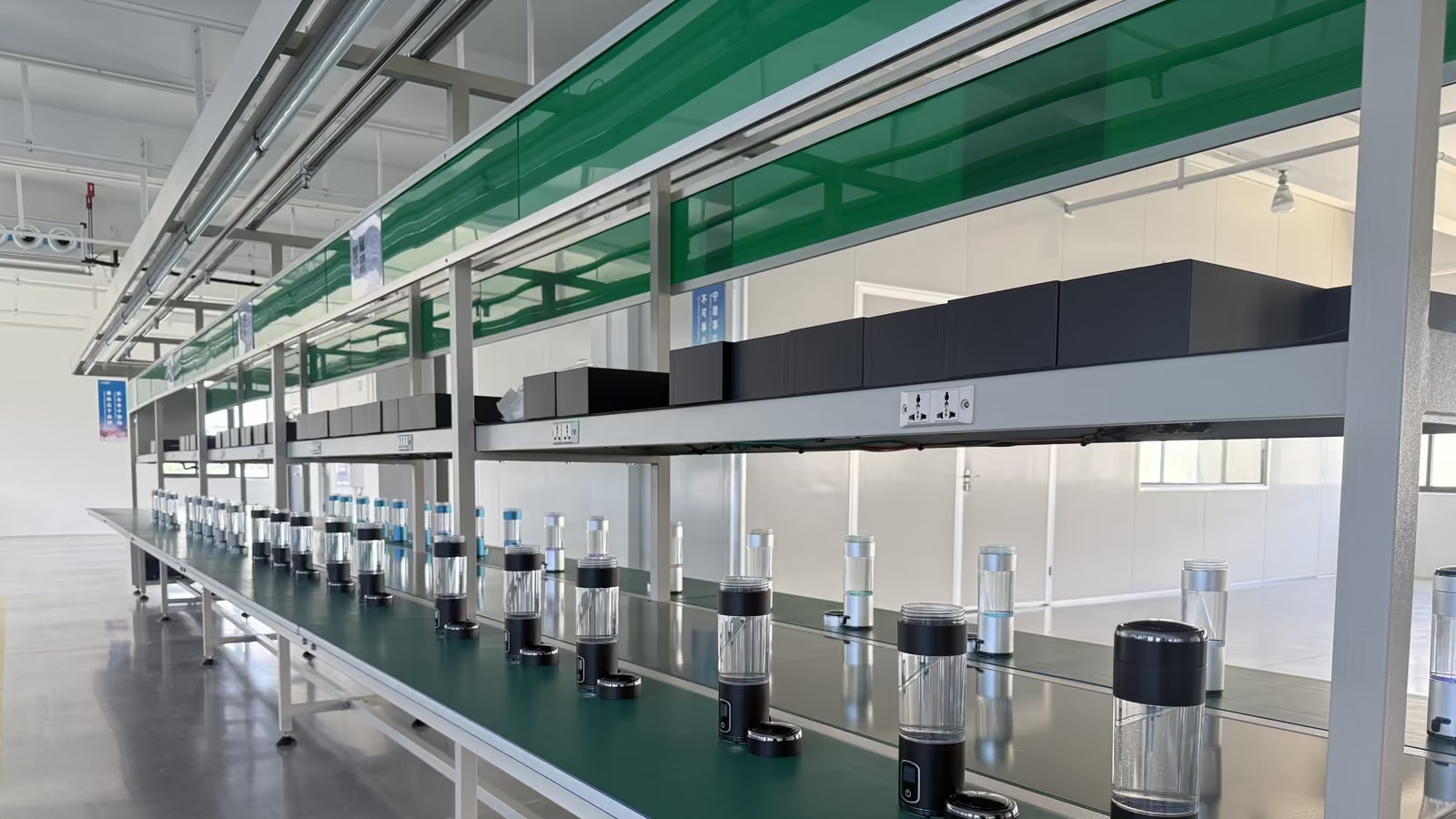
Choosing an OEM hydrogen water bottle manufacturer is not only a product-selection decision. It is a supply-chain decision that affects repeatability, compliance records, branding consistency, after-sales cost, and delivery performance. A polished sample can show what a supplier is capable of making once; a disciplined factory system shows whether it can be made consistently across a bulk order.
This checklist is designed for importers, distributors, wellness brands, and private-label buyers comparing suppliers in China. Use it before requesting samples, during sample approval, and again before issuing a purchase order.
Start With a Complete Product Brief
Supplier comparisons are unreliable when each factory receives a different request. Prepare one written brief and send the same version to every shortlisted manufacturer. At minimum, include:
- Target sales markets and destination countries
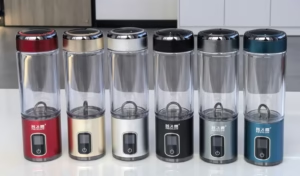
- Bottle capacity, materials, finish, and preferred colors
- Expected hydrogen-generation cycle and performance target
- Charging interface, battery configuration, and plug requirements
- Logo method, retail packaging, manual languages, and barcode needs
- Order quantity, sample quantity, target launch date, and Incoterm
- Required inspections, test reports, and shipment documents
Ask suppliers to list assumptions and exclusions in their quotation. A low price based on a generic box, a different battery, or no third-party inspection is not comparable with a quote that includes those items.
The 12-Point OEM Manufacturer Checklist
1. Confirm the Supplier’s Actual Role
Ask whether the company is the legal manufacturer, a contract manufacturer, a trading company, or a combination. None of these structures is automatically unacceptable, but the answer determines who controls engineering changes, production scheduling, quality records, and corrective action.
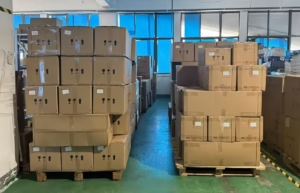
Request the factory address, business registration details, a current production video, and the name of the entity that will appear on the commercial invoice. If an audit is planned, make sure the location being audited is the location making the product.
2. Evaluate Hydrogen-System Engineering
For SPE/PEM products, ask for a clear explanation of the electrolysis architecture, gas-path design, electrode and membrane specifications, pressure-management method, and water-contact materials. The supplier should be able to explain how oxygen and other electrolysis by-products are managed rather than relying on a product label alone.
Review drawings, bills of materials, or controlled specifications at the level appropriate for the project. If a critical component changes after sample approval, there should be a documented approval process.
3. Compare Performance With One Test Protocol
Do not compare concentration numbers without test conditions. Require the same water source, fill volume, starting temperature, generation time, sampling delay, and measurement method for every sample. Record individual results instead of reporting only a best-case value.
For a detailed protocol, use the guide to comparing hydrogen concentration claims.
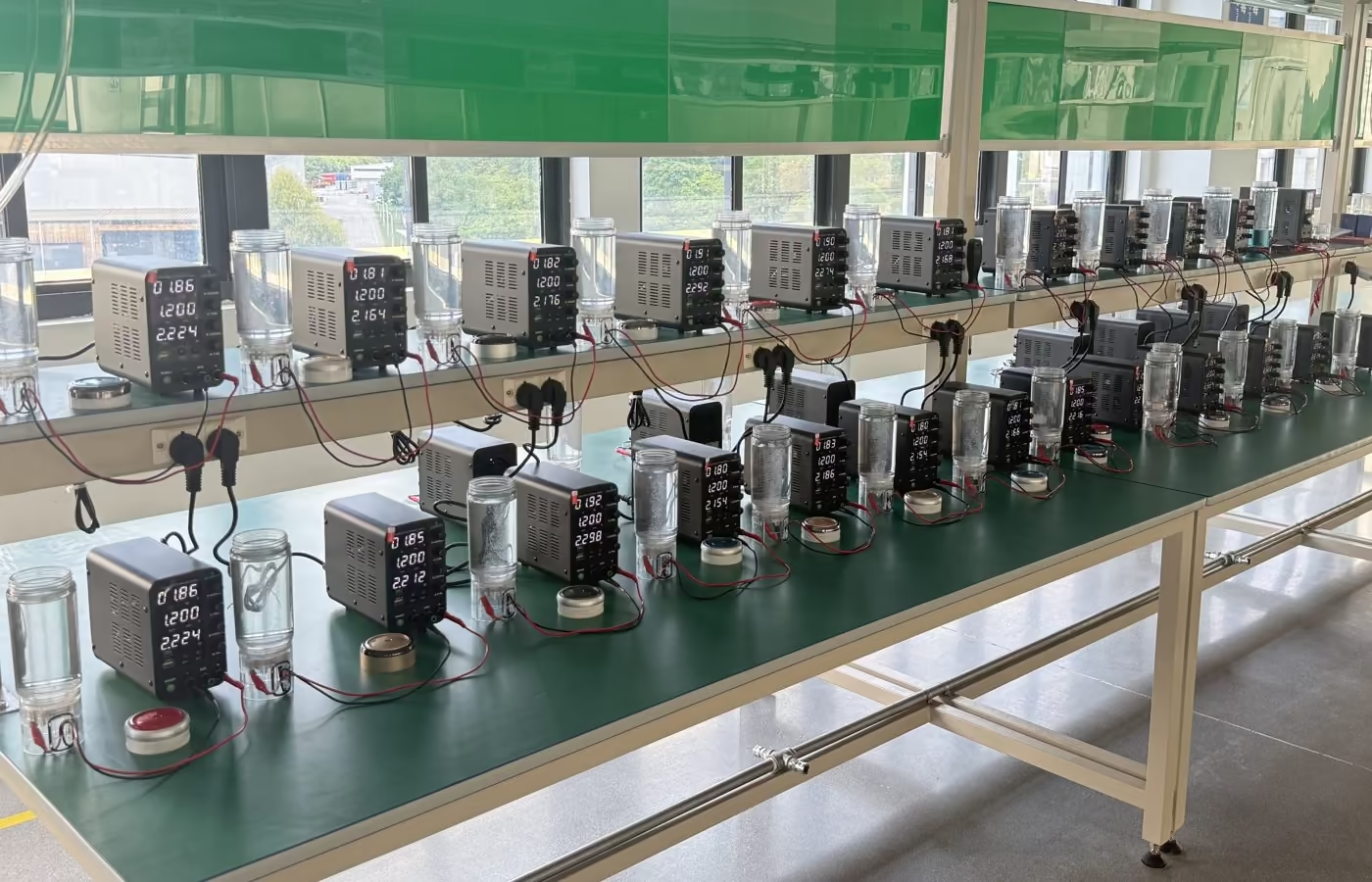
4. Review Quality Control at Four Stages
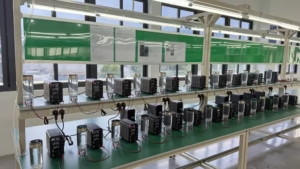
A useful quality plan covers incoming components, in-process assembly, finished-product testing, and pre-shipment inspection. Ask for sample records from each stage, with confidential customer details removed if necessary.
- Incoming: electrodes, membranes, seals, plastics, glass, PCBs, batteries, cables, and packaging
- In process: torque, sealing, wiring, polarity, alignment, and functional checks
- Finished unit: generation cycle, leakage, charging, indicators, odor, appearance, and accessories
- Pre-shipment: random inspection, carton checks, quantity, labels, and release authorization
Ask how nonconforming units are identified, segregated, reworked, and retested. A checklist without disposition records does not show that defects are controlled.
5. Check Traceability and Change Control
Confirm how finished goods are linked to production date, line, component lot, and inspection record. Also ask who can authorize a change to the battery, electrode, membrane, PCB, seal, or charger. Critical changes should not be introduced silently after a sample is approved.
6. Request Product-Specific Compliance Evidence
Compliance is market- and configuration-specific. Ask for reports that match the exact model, electrical design, battery, materials, and branded configuration being purchased. Check the applicant, model number, laboratory, issue date, standard, and product photographs rather than accepting a certificate logo on a sales sheet.
For battery-powered products, discuss the battery test summary and transport documentation early. The United States Pipeline and Hazardous Materials Safety Administration explains that lithium-cell and battery manufacturers must make a UN 38.3 test summary available in the supply chain. Destination-market requirements may add labeling, instructions, traceability, and responsible-party obligations.
7. Inspect Customization Capability
Separate cosmetic customization from engineering customization. Logo marking, color, box artwork, and manuals usually carry less technical risk than changing the bottle structure, electrolysis module, electronics, or battery.
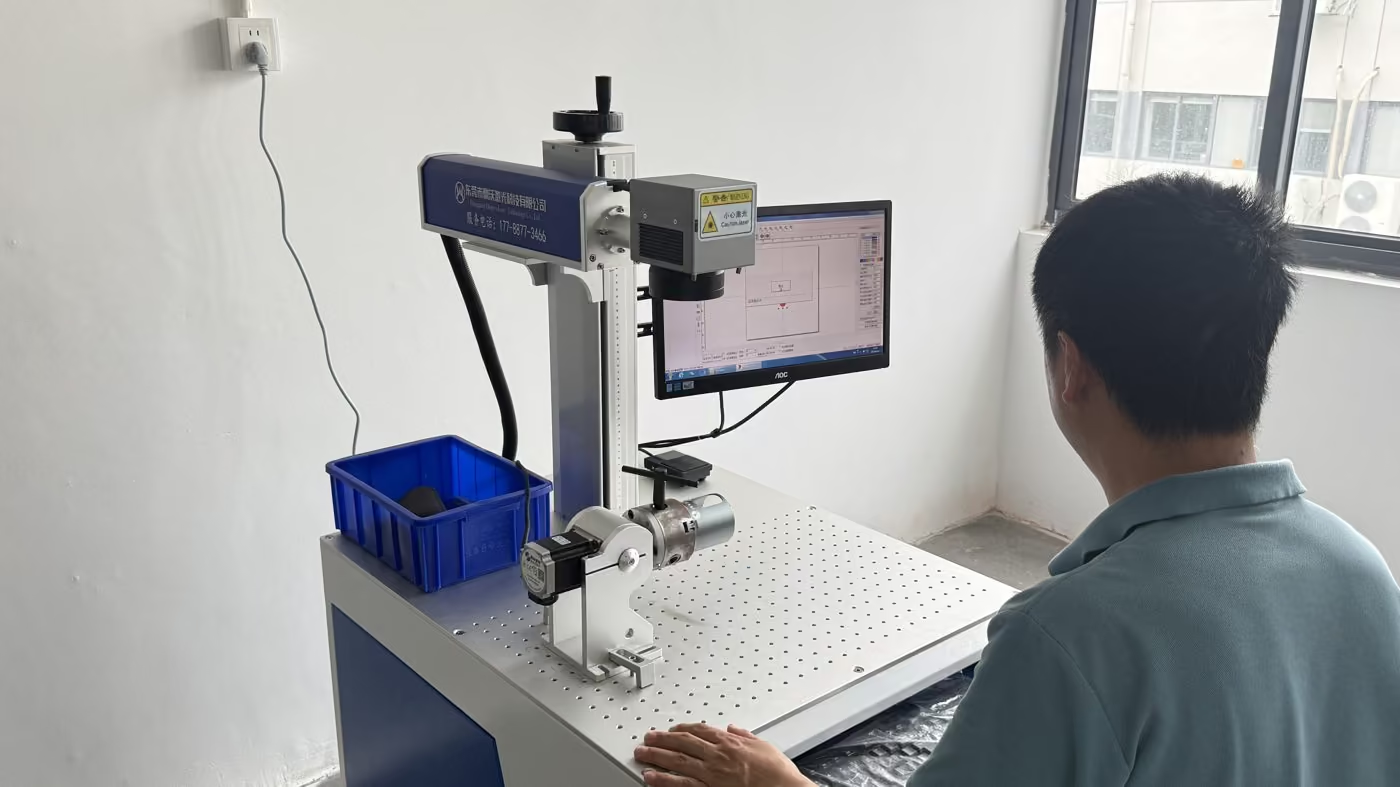
Ask for artwork templates, print tolerances, color references, sample charges, tooling ownership, minimum quantities by customization type, and the approval sequence. A physical golden sample should be signed off when appearance is important.
8. Test Samples Systematically
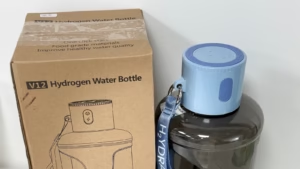
Do not approve a sample after one successful cycle. Evaluate multiple units and repeat cycles under the same conditions. Inspect leakage, charging behavior, battery runtime, temperature, noise, odor, user interface, cleaning, packaging, and accessories. Our hydrogen water bottle sample test plan provides a reusable framework.
9. Compare Warranty and Corrective-Action Terms
Clarify the warranty start point, covered parts, exclusions, evidence required for a claim, and remedy options. Ask how the factory handles repeated failures: containment, root-cause analysis, corrective action, and verification. A spare-parts policy may be more practical than returning low-value units internationally.
10. Validate Capacity and Lead Time
Capacity should be discussed for the exact product, line, and current schedule. Ask for the lead-time breakdown: materials, custom components, artwork approval, production, inspection, and shipping preparation. A single total without assumptions is difficult to manage.
See what changes hydrogen water bottle MOQ and lead time before comparing quotations.
11. Review Commercial Terms Line by Line
Confirm the Incoterm and named place, payment schedule, quote validity, tooling charges, sample-credit policy, inspection responsibility, packaging specification, spare-parts allowance, and claims procedure. Define which documents must be supplied before the balance payment or shipment release.
12. Assess Communication Discipline
OEM projects generate many small decisions. A reliable supplier should use revision-controlled quotations, specification sheets, artwork approvals, and written change records. Slow or vague answers during sampling usually become more expensive after production begins.
Supplier Comparison Scorecard
| Area | Suggested weight | Evidence to review |
|---|---|---|
| Product and hydrogen-system engineering | 20% | Specifications, drawings, engineering answers, change process |
| Quality system and traceability | 20% | QC plan, records, lot coding, nonconformance handling |
| Sample performance and repeatability | 20% | Multi-unit test results using one protocol |
| Compliance and battery documentation | 15% | Model-matched reports, declarations, test summary |
| Customization and packaging execution | 10% | Templates, samples, tolerances, golden sample |
| Commercial terms and delivery planning | 10% | Detailed quote, lead-time breakdown, Incoterm |
| Communication and corrective action | 5% | Response quality, ownership, closed-loop records |
Change the weights to match your risk. For a new brand, packaging execution may deserve more weight. For a regulated channel or large repeat program, compliance, traceability, and change control should carry more.
Red Flags During Supplier Selection
- Concentration claims are provided without water, time, or test-method details.
- Reports show a different model or battery from the quoted product.
- The supplier will not explain who manufactures the product.
- Critical component substitutions can be made without buyer approval.
- Only one perfect sample result is shown, with no raw data or repeated tests.
- The quotation omits packaging, inspection, tooling, or shipping assumptions.
- Medical or therapeutic claims are offered without a market-specific review.
Documents to Collect Before the Purchase Order
- Approved product specification and bill-of-material controls
- Approved golden sample and artwork files
- Quality-control and pre-shipment inspection plan
- Model-matched compliance and battery documents
- Packing specification, carton marks, and accessory list
- Warranty, spare-parts, and claims procedure
- Final quotation, Incoterm, payment terms, and production schedule
Final Decision
The best OEM hydrogen water bottle manufacturer is not necessarily the supplier with the highest concentration claim or the lowest unit price. It is the supplier that can define the product clearly, reproduce it consistently, document the process, control changes, and support the destination market.
To compare a PHYFLOW configuration against this checklist, review the available hydrogen water products or send a project brief with your target market, quantity, customization, and launch timing.
Frequently Asked Questions
Should I choose a factory or a trading company?
Choose the supply structure that gives you clear accountability, technical access, traceability, and reliable execution. Verify who owns the specification, controls production, issues the invoice, and handles corrective action.
How many samples should a B2B buyer test?
One unit can reveal obvious problems but cannot demonstrate consistency. Use multiple units and repeated cycles, with the number scaled to order value, novelty, and risk.
Is the lowest MOQ the best option for a first order?
Not automatically. A very low MOQ may rely on stock colors, generic packaging, or limited customization. Compare the complete configuration and total landed risk, not only the quantity threshold.