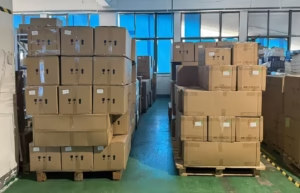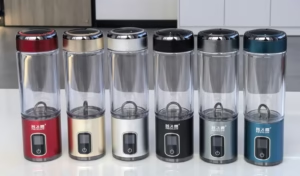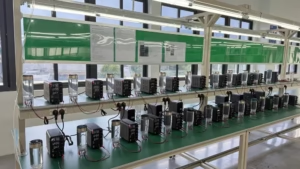
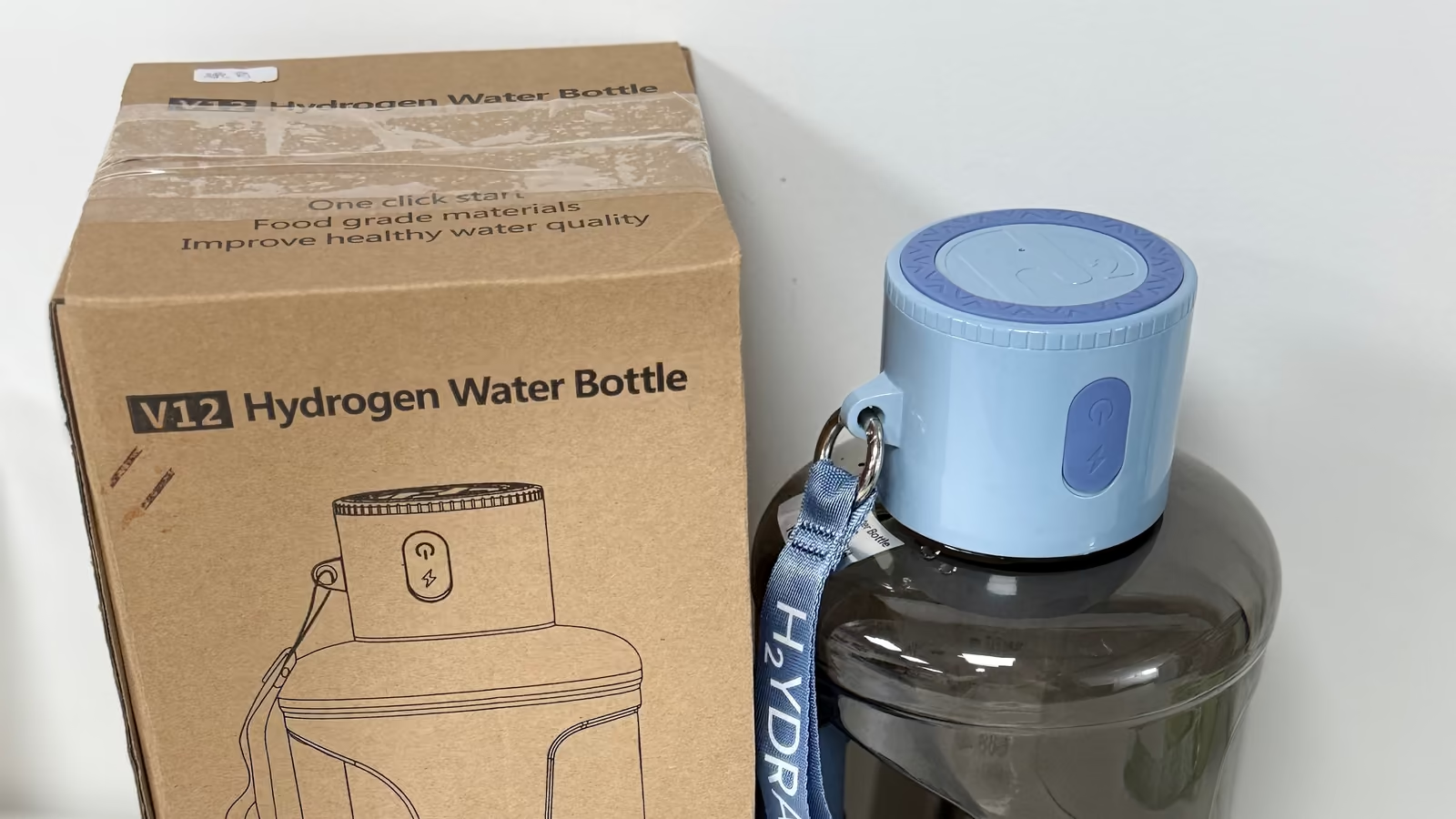
Private-label hydrogen water bottle packaging is a controlled product system, not just a printed box. The logo on the bottle, rating label, retail carton, manual, accessories, master carton, and battery documents must all describe the same model and configuration.
This guide helps importers, distributors, and brand owners plan that system before mass production. It covers design decisions, approval controls, destination-market information, and lithium battery shipping preparation.
Build One Packaging Specification
Create a packaging specification that lists every component and its approved version:
- Product logo and model marking
- Rating label and traceability code
- Retail box, insert, tray, bag, and protective materials
- User manual, quick-start guide, and warranty card
- Charging cable, adapter where supplied, and spare parts
- Barcode, SKU, color label, and marketplace labels
- Master carton, carton marks, dimensions, and gross weight
- Battery marks, handling labels, and shipment documents
Use a revision number and approval date. If one file changes, review the related files for model, address, warning, and accessory consistency.
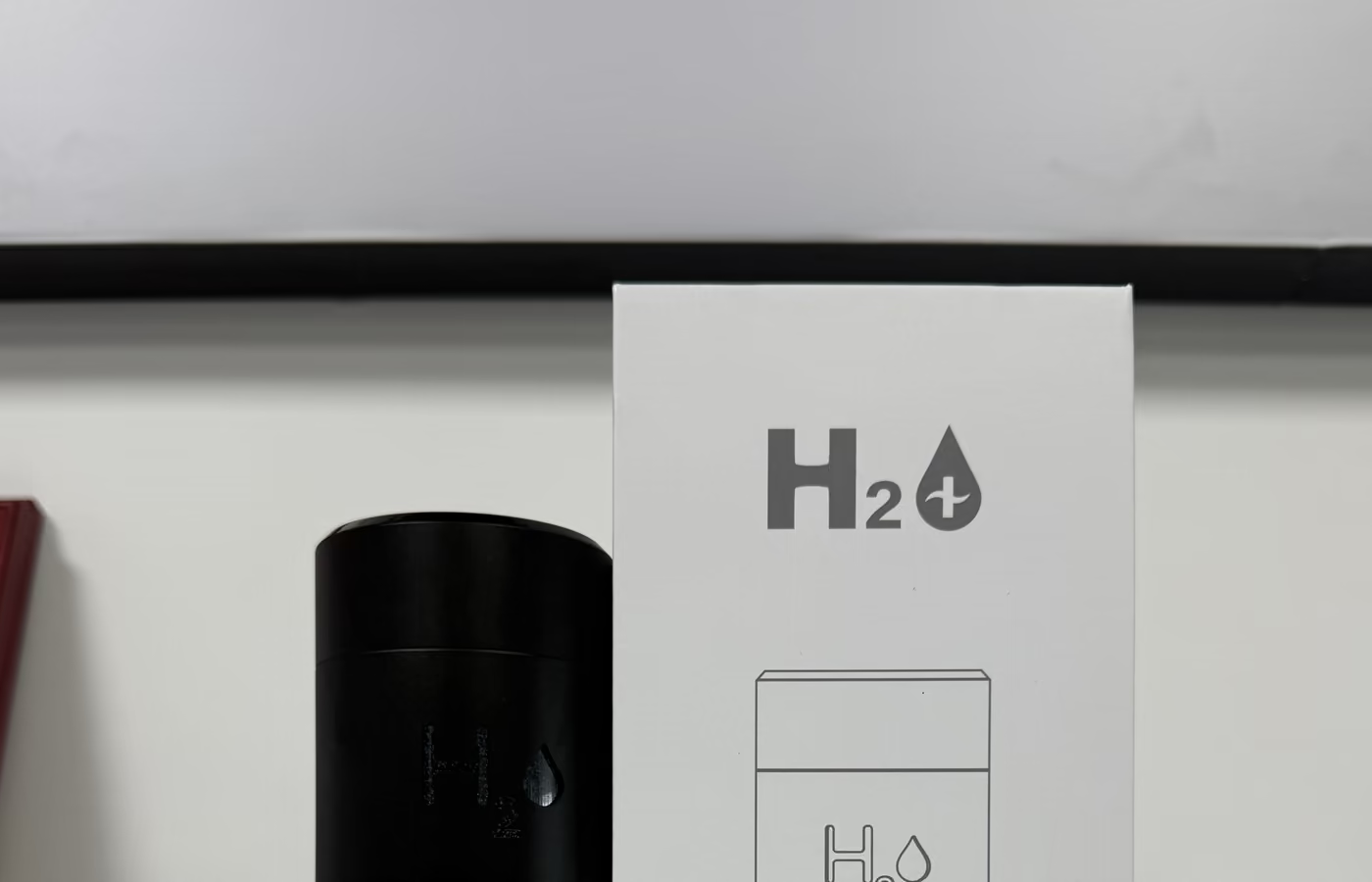
Choose the Logo Method by Surface and Volume
The right branding method depends on the substrate, finish, artwork, abrasion exposure, order quantity, and desired appearance.
| Method | Typical strength | Items to approve |
|---|---|---|
| Laser marking | Durable, precise, no separate ink layer | Contrast, position, line weight, surface effect |
| Pad or screen printing | Flexible for simple colors and curved surfaces | Ink adhesion, color, opacity, abrasion resistance |
| UV printing | Detailed or multicolor graphics | Color accuracy, adhesion, cure, edge definition |
| Label or decal | Useful for variable information and short runs | Material, adhesive, water resistance, placement tolerance |
| Molded or engraved branding | Integrated appearance for higher-volume programs | Tooling ownership, draft, depth, cosmetic standard |
Request a physical branded sample. A digital rendering cannot show gloss, texture, curvature distortion, adhesion, or abrasion performance.
Prepare Artwork That a Factory Can Control
Supply editable vector artwork where possible, with fonts converted to outlines. Define brand colors using a recognized reference and identify whether color matching applies to ink, molded plastic, coating, or printed carton. Include dimensions and placement from fixed product features rather than from a photograph.
Approve a digital proof, then a physical sample, then a production reference. Label the final files “approved for production” with a date and revision. Do not rely on filenames such as “final-final-2.”
Rating Labels, Traceability, and Market Information
The required product information depends on the destination market, product classification, electrical configuration, and sales channel. Common planning fields include:
- Brand, product name, model, and electrical ratings
- Manufacturer, importer, or responsible economic operator information where required
- Batch, date, serial, or other traceability identifier
- Country of origin
- Required conformity, recycling, battery, or disposal marks
- Safety warnings and limitations
Do not add a conformity mark merely because it appears on a competing package. Confirm that the exact product is in scope and that the supporting assessment and documentation exist. The European Commission’s business guidance summarizes general EU product compliance responsibilities, while the EU’s General Product Safety Regulation includes traceability and operator information requirements relevant to consumer products. Requirements should be reviewed for the exact market before artwork approval.
Write the Manual for the Actual Configuration
A user manual should match the buttons, lights, cycle times, charger, cleaning method, materials, and warnings of the shipped model. Include:
- Product identification and package contents
- First-use preparation and charging
- Operating modes and indicator meanings
- Compatible water and fill limits
- Cleaning, descaling, storage, and maintenance
- Battery and charging precautions
- Troubleshooting and error indications
- Warranty and contact information
- Disposal information where applicable
Use professional translation for destination-market languages and have the translation reviewed in context. A technically correct sentence can still be unsafe if placed beside the wrong illustration or indicator.
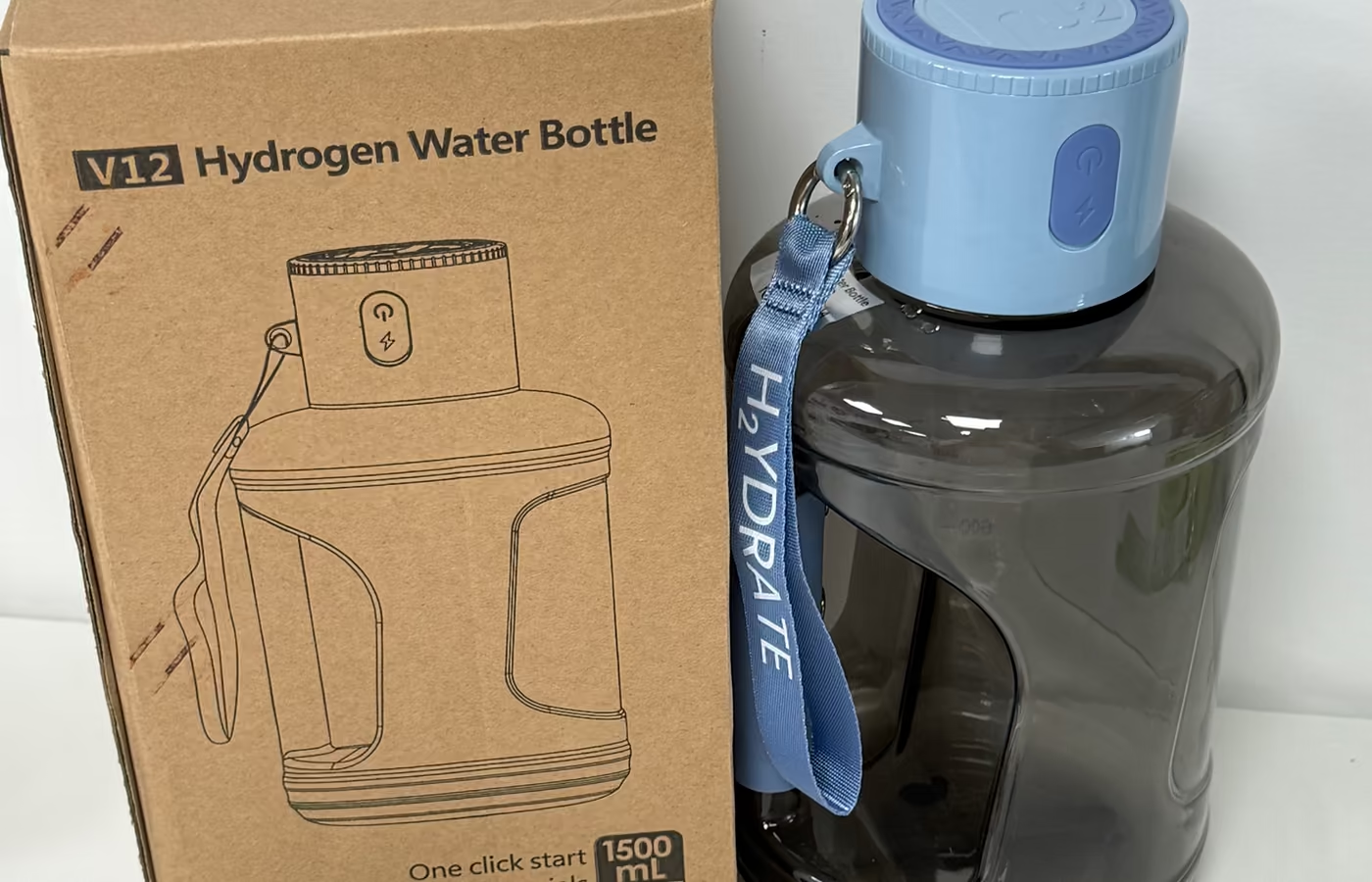
Engineer the Retail Package
Packaging must protect glass, seals, electronics, cosmetic surfaces, and accessories through parcel handling and pallet transport. Define the internal support, clearance, abrasion protection, bagging, and orientation. Check that the product cannot move enough to strike the box wall.
Validate the selling unit and the master carton. Depending on risk and channel, the plan may include drop, vibration, compression, humidity, barcode, and rub testing. Record the test configuration, package version, product weight, and acceptance criteria.
Lithium Battery Shipping: Start Early
Many hydrogen water bottles contain a rechargeable lithium-ion cell. Shipping rules depend on cell and battery configuration, watt-hour rating, quantity, packaging, mode of transport, route, carrier, and whether the battery is contained in equipment, packed with equipment, or shipped alone.
Collect the exact battery model and specification early. Commonly requested evidence includes the UN 38.3 test summary, battery specification, and safety data requested by a carrier or freight partner. The U.S. Pipeline and Hazardous Materials Safety Administration lithium battery portal and IATA’s 2026 lithium battery guidance document are useful primary references, but the freight forwarder should confirm the exact current route and packing instruction.
Do not assume that “battery inside the bottle” removes all requirements. Packaging must protect against damage, movement, and accidental activation, and terminals must be protected from short circuit. Marks, labels, documentation, state-of-charge restrictions, package testing, and operator acceptance can vary by scenario.
IATA introduced a three-meter stacking capability requirement for certain lithium battery packages in 2025 and publishes a dedicated packaging test explanation. Ask the logistics provider which packing instruction applies rather than applying a generic rule to every shipment.
Battery Shipping Document Checklist
- Exact cell and battery manufacturer, model, and watt-hour rating
- UN 38.3 test summary matching the shipped battery
- Battery specification and any carrier-requested safety information
- Product and package photographs showing battery installation
- Package dimensions, unit count, and gross weight
- Protection against short circuit and accidental activation
- Applicable marks, labels, and documents confirmed by the forwarder
- Route, mode, carrier, and acceptance confirmation before production release
Approval Sequence
- Freeze the product model, battery, accessories, and target markets.
- Issue dielines, label templates, manual source text, and packing requirements.
- Review compliance and logistics content before graphic design is finalized.
- Approve digital artwork with revision numbers.
- Produce and inspect a physical packaging sample.
- Run required package tests using the intended product and packout.
- Approve a golden sample and signed packing list.
- Verify production artwork and packout during pre-shipment inspection.
Common Packaging Mistakes
- Artwork begins before the product model and battery are frozen.
- The manual shows a different button layout or cycle time.
- Supplier and importer addresses are missing or inconsistent.
- Barcodes, model labels, and carton marks identify different SKUs.
- The box sample is approved without the cable and accessories inside.
- A lithium battery document refers to a different cell.
- Health or therapeutic claims are added without market-specific substantiation and review.
- Production uses an unapproved artwork revision.
Information to Include in an RFQ
For an accurate packaging quotation, provide the target quantity, product model, logo method, number of print colors, box style, dimensions, finish, insert material, manual size and languages, accessory list, barcode needs, master-carton requirements, destination countries, and test requirements.
Packaging complexity also changes MOQ and schedule. Review what changes an OEM quote and lead time before setting a launch date.
Final Takeaway
Good private-label packaging keeps the physical product, branding, compliance information, user instructions, and logistics documents synchronized. Freeze the configuration, control revisions, approve a complete physical set, and validate the shipping route before mass production.
To develop a packaging specification for a PHYFLOW product, send your model, market, quantity, brand files, and required launch date.
Frequently Asked Questions
Can I use one English manual for the EU?
Language obligations depend on the product and destination country. Plan the country set early and confirm required safety and user-information languages before printing.
Who should provide the UN 38.3 test summary?
The battery manufacturer or downstream distributor should make the required test summary available in the supply chain. The document must match the cell or battery actually shipped.
When should packaging design start?
Layout work can start after dimensions are stable, but final artwork should wait until the model, battery, electrical ratings, accessories, responsible-party information, and destination markets are confirmed.